Getting around is such a norm, that there is not much to tell– but there is always a story. Every commute brings a riveting stream of fleeting moments screening past the dashboard or window’s view. On radio, there is always a comment about a traffic delayed; in social media groups, streams of audio and visual neighborhood narratives frame a story about where we are. However, looking into the mass movers like passenger rail, minibus taxis and mainstream commuter buses, there is little to no real story-telling compelling transport customers to buy-again. Yet, to enhance the use of shared and public transport requires a “down-sell” and an “up-sell” across various commuter classes. They need to be convinced to use public transport, and the best option— not the only one.
The prominent and sometimes compelling marketing and communication tapestry is found in ridesharing, premium chauffeur, the rapid bus or rail, aviation type services. Each of these services are motivated to make their case to a car-owner or car user base, perhaps even lower-middle-income consumer. It is with no surprise, that April Fool’s Gautrain campaign about R1 parking, was a seriously funny and effective product positioning strategy that is very telling. In just the last few hours, airlines like Lift, FlySafair and Airlink have either caught my eye drifting along the freeway or scrolling out of social media platforms into a flight ticket preference. Again, looking at it more closely, seems like we communicate with those who need to be told: “come again”.
One could argue that mass transport like minibuses, commuter buses and passenger rail are self-promoted, or the users do not have a choice. Why ask them to use the service, when they do not have a choice? While it may seem like an intuitive question, it takes us down a chain of injustices. Let’s rather ask a welfare facing question: what could popular mass transportation be communicating to captive commuters?
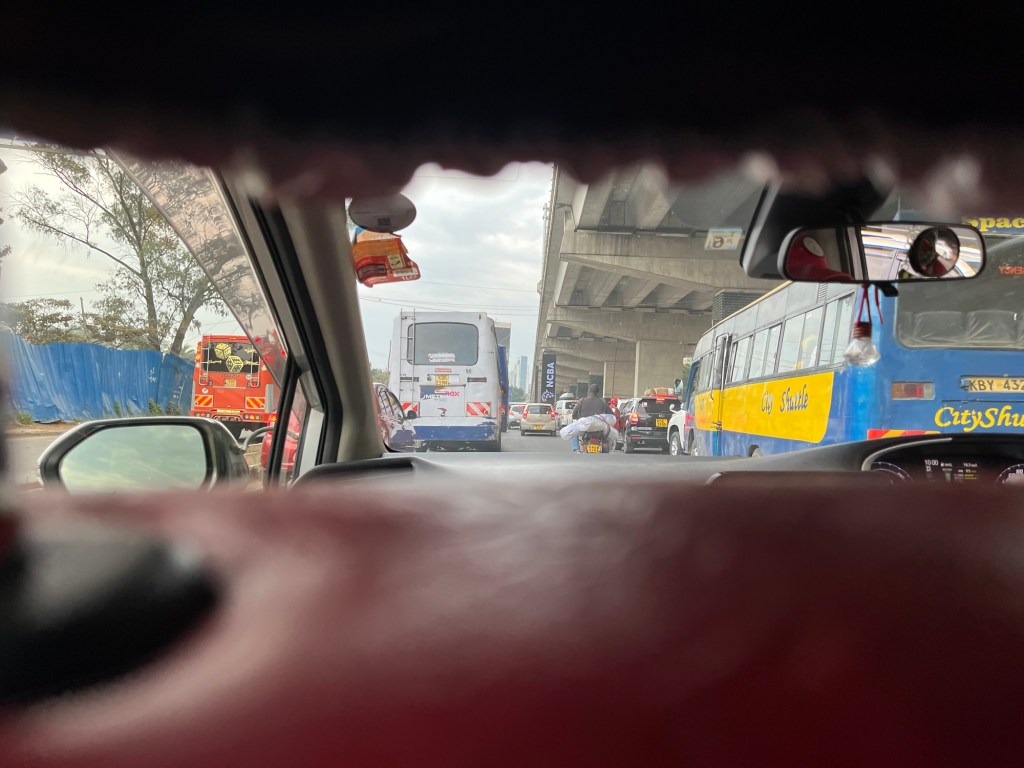
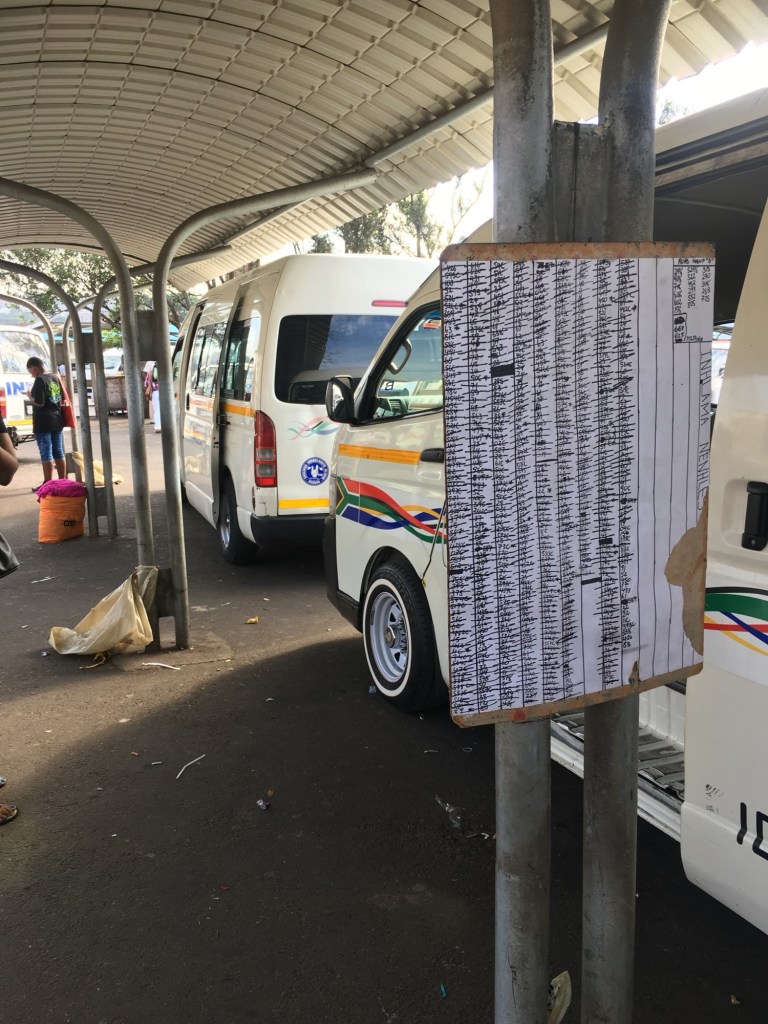
This is an intriguing area of work because we could look at the informal lexicon tattooed around metal frames bustling between busy D’Urban traffic— as if we’re in Nairobi! Both cities have a culture of iconography wrapped around local minibuses and matatu’s— sound systems, screens and flashy names frame the culture. However, this is the language for the youthful unconstrained commuter, not the capital source of traditional labour who spends hours on journeys to work. These are the true captive commuters who are exposed to notices, statements and community forums. There are no traffic alerts on radio, taxi delays reported, way-finding tools for tourists— no. Getting around by if-you-know-you-know, and if you don’t, ask. This is the bare minimum, and more should certainly be done if policy makers see an inherent justice in communicating with captive commuters.
END
Thank you visiting the page. Weekly commentary shores up on Transport Tuesdays at 09:00 SAST.

 Hlulani
Leave a comment